Physical Address
304 North Cardinal St.
Dorchester Center, MA 02124
Physical Address
304 North Cardinal St.
Dorchester Center, MA 02124

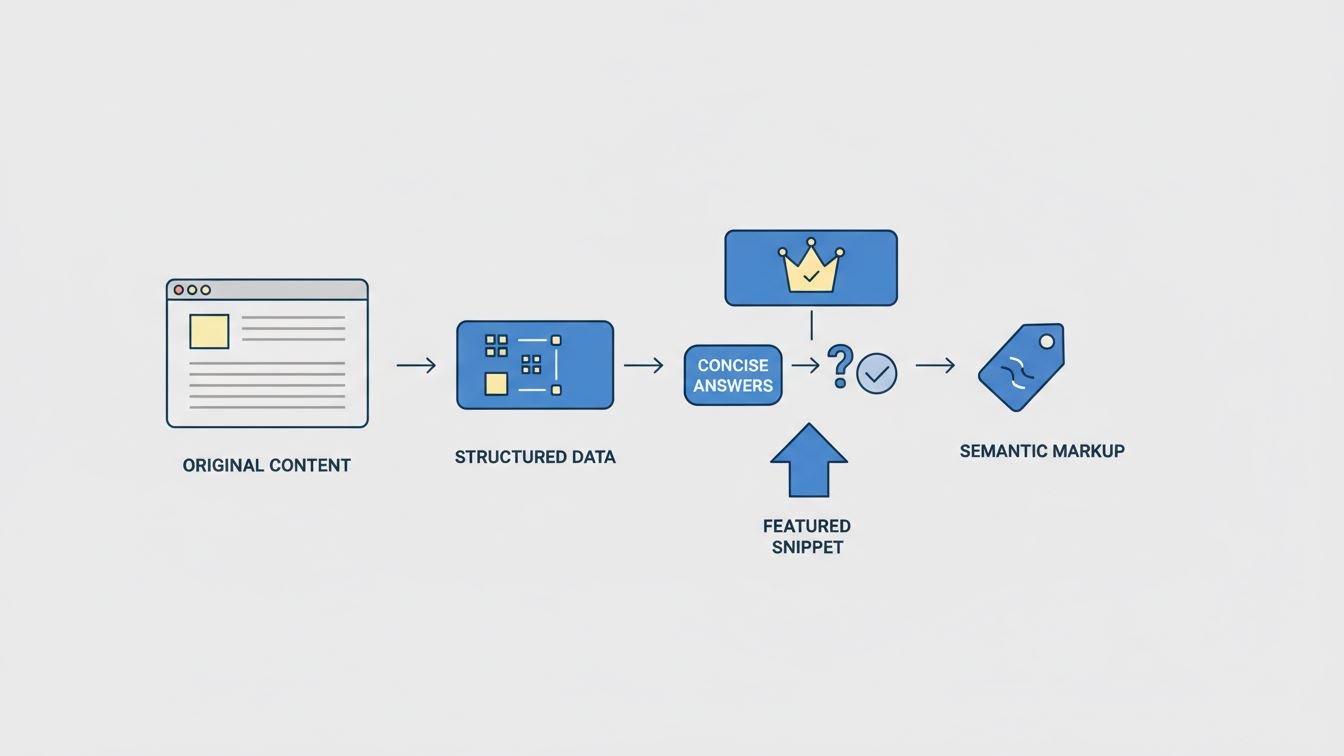
Picture this: you type a question into Google, and right at the top of the results is a neat little box that answers it instantly. That’s a featured snippet—a small but mighty spot that can elevate your content above the usual search listings. For anyone serious about SEO, understanding how to optimize for these snippets isn’t just a nice-to-have; it’s a game changer.
Featured snippets are those concise answer boxes Google displays to directly address a user’s query. Instead of having to click through multiple pages, you get a quick, clear answer right on the results page. They come in various forms: paragraphs, lists, tables, or even videos. Each serves a different type of query, whether it’s “how-to” instructions, definitions, or comparisons.
Think of snippets as the search engine’s way of showing off the best, most relevant content in a nutshell. Capturing this spot means your content gets a front-row seat, leading to more visibility and, often, a significant traffic boost.
What’s fascinating is how Google decides which format fits best for each query. This choice is influenced by user intent and the typical way someone would expect to receive the information.
At its core, Google analyzes search queries for intent, then scans the web for content that directly answers the question in a concise, clear manner. This is why content structured around specific questions or offering straightforward explanations has a higher chance of being featured.
One subtle aspect is that Google often pulls snippets from pages ranking on the first results page—sometimes even from the second or third, though less commonly. That means your page doesn’t have to be number one yet to grab this valuable real estate.
The trick lies in recognizing which queries are snippet-friendly. Not all questions trigger featured snippets, and this is where “optimizing for triggers” comes into play.
Let’s say you run a gardening blog. Instead of a generic heading like “Plant Care Tips,” try “How to Water Indoor Plants.” Follow that with a brief, bulleted list outlining steps. This makes it incredibly snippet-friendly.
Or, if you’re writing about personal finance, a question like “What is a credit score?” followed by a short, clear explanation in a paragraph format increases the chance of Google pulling it into a snippet.
Snagging a featured snippet spot can dramatically increase your organic click-through rates. Users often trust the content showcased in snippets because it’s perceived as authoritative and directly relevant. Plus, it helps build brand awareness since your site name is displayed prominently.
Beyond traffic, snippets can also reduce bounce rates. When users get a quick, satisfying answer, they’re more likely to explore your site for deeper insights.
Optimizing for featured snippets isn’t about tricking the algorithm—it’s about tuning in to how people ask questions and delivering crisp, meaningful answers. When you focus on these triggers, you’re not just writing for Google; you’re writing for the real human on the other side of the screen.
Remember, getting featured is a process that blends smart research, clear writing, and thoughtful content structure. It’s a powerful tool in the SEO toolbox that, when used thoughtfully, can lift your content to new heights and foster genuine connections with your audience.