Physical Address
304 North Cardinal St.
Dorchester Center, MA 02124
Physical Address
304 North Cardinal St.
Dorchester Center, MA 02124

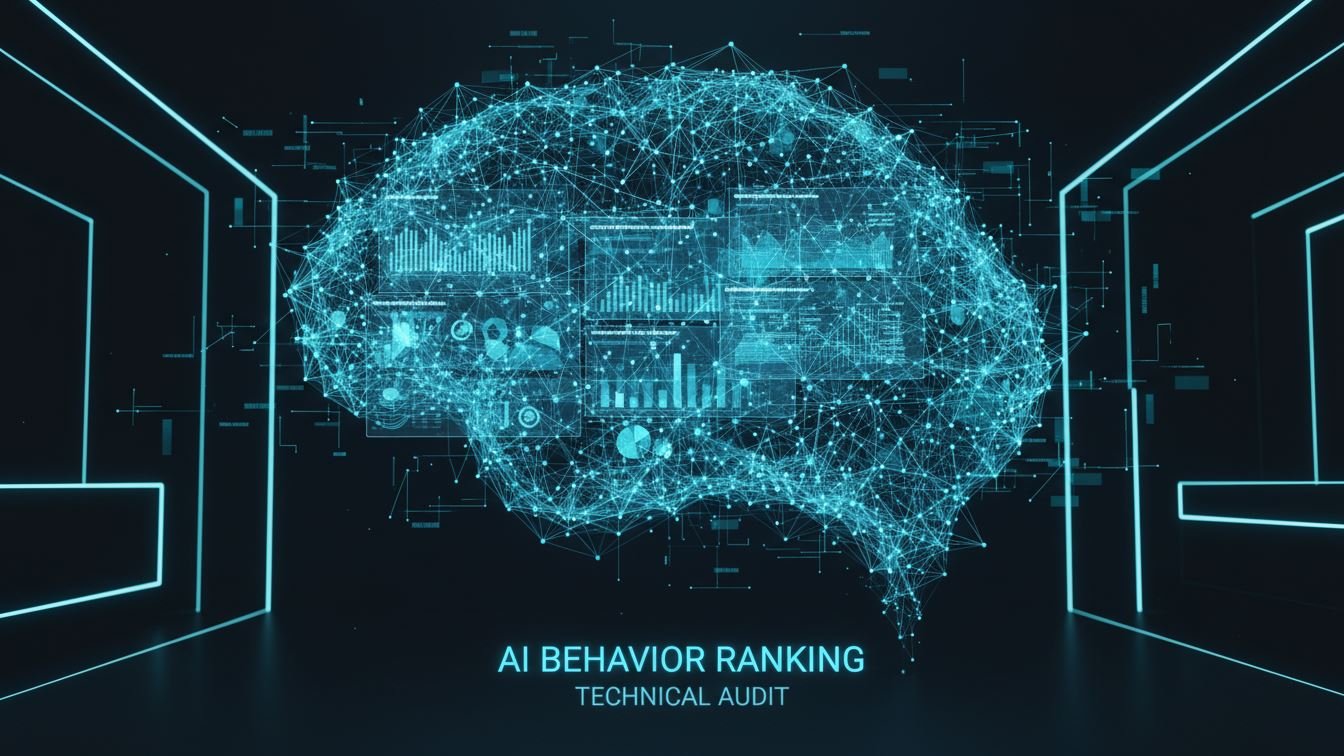
When we talk about AI ranking behaviors, it’s easy to imagine some all-knowing black box magically sorting pages or data in order of relevance or quality. Yet, the reality is far more nuanced. Ranking algorithms, fueled by AI, mimic human patterns of judging value but with an added complexity of vast datasets and evolving learning patterns. Understanding how these systems behave is crucial, especially for anyone involved with technical audits and optimizing digital content.
At their core, AI ranking systems use machine learning models to evaluate and score content, products, or even user queries. The goal? To present the most pertinent items first. But unlike traditional rule-based systems, AI dynamically adapts as it “learns” from new inputs—think of it as a constantly evolving curator.
This adaptability is both a blessing and a challenge. It means that the criteria affecting rankings can shift over time, influenced by new data trends, user behavior, or even changes in the algorithm’s architecture.
Most AI ranking systems rely on a combination of supervised learning, feature engineering, and feedback loops. Here’s a quick breakdown:
Imagine an e-commerce site where AI ranks products. Initially, it might weigh price heavily, but as users start prioritizing reviews or shipping speed, the AI recalibrates these weights to match actual consumer preferences.
Take search engines, arguably the most prominent users of AI ranking. When you type a query, dozens of factors come into play. Beyond simple keyword matching, AI looks at the freshness of the content, site authority, and even the semantic meaning behind your words.
Another example is recommendation systems on streaming platforms. The AI doesn’t just consider what you’ve watched but also factors like time of day, your recent moods (detected via viewing patterns), and trending content to rank suggestions uniquely for each user.
For anyone involved in technical audits, appreciating the nuances of AI ranking can unlock new insights. It’s no longer enough to check boxes like “page speed under 3 seconds” or “keyword present in title.” Instead, audits must embrace a holistic mindset—examining how multiple attributes interplay and how the AI might perceive them collectively.
Moreover, auditors can identify when AI ranking behaviors produce unexpected outcomes, such as biases toward certain content types or inadvertent penalties. Spotting these allows businesses to adjust strategies or flag issues before they impact visibility.
A frequent misconception is thinking AI rankings are fixed or fully transparent. In truth, many AI models, especially deep learning variants, operate like “black boxes.” Their decisions are based on complex interactions between variables that aren’t always obvious.
Another pitfall is chasing a single ranking factor in isolation. For example, obsessing over backlinks without considering user engagement or content quality can lead to diminishing returns. AI rankings reward balanced, user-centric approaches rather than quick fixes.
AI ranking systems might seem inscrutable, but they are ultimately designed to replicate human judgment—just at a scale and speed beyond our natural reach. As these systems become more embedded in digital platforms, a deep, empathic understanding of their behavior becomes a strategic advantage.
Rather than fearing the AI or treating it as a static hurdle, viewing it as a partner that learns and adapts can transform how we audit, optimize, and create. After all, the end-users’ experience is what these rankings seek to optimize, and that’s something we humans can relate to deeply.