Physical Address
304 North Cardinal St.
Dorchester Center, MA 02124
Physical Address
304 North Cardinal St.
Dorchester Center, MA 02124

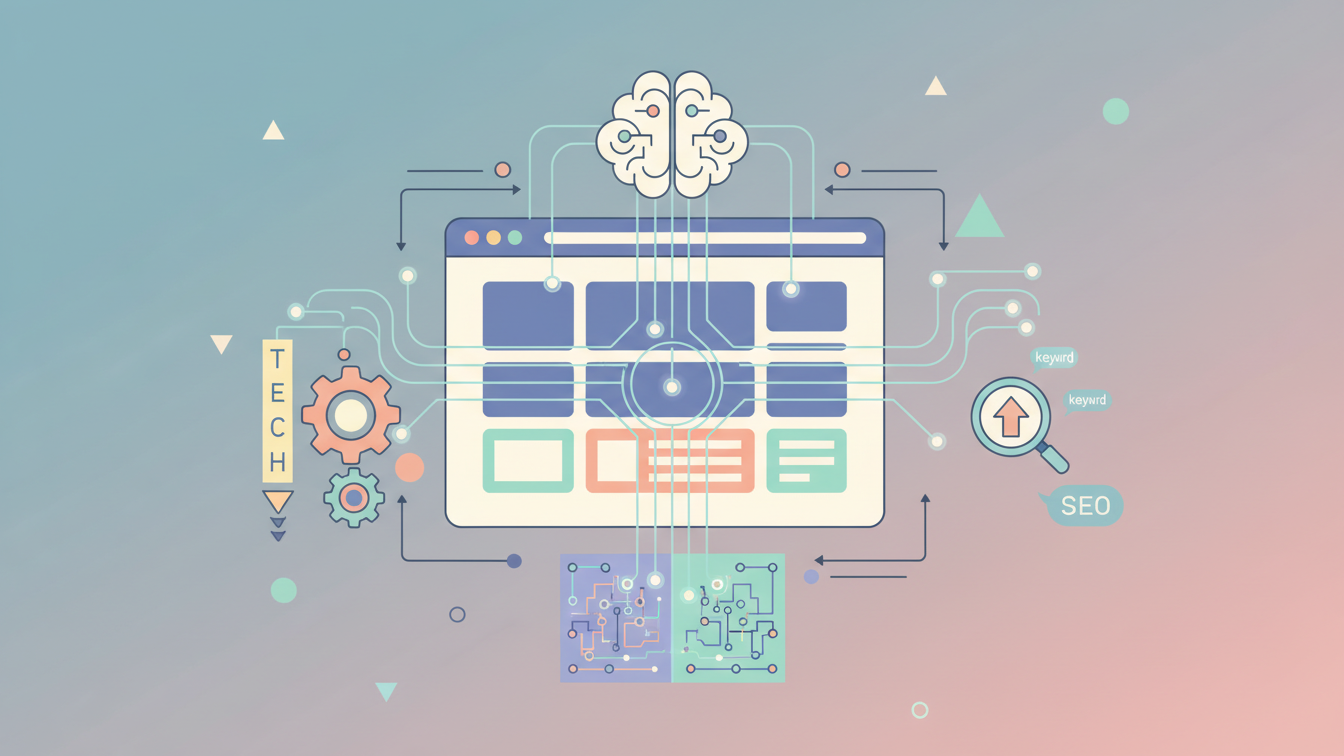
When we talk about website optimization these days, Artificial Intelligence (AI) isn’t just a buzzword; it’s a game-changer. From tailoring user experiences to driving smarter content strategies, AI is quietly reshaping how websites perform and adapt. But to truly appreciate this transformation, it helps to dig into the core AI concepts that power these advances.
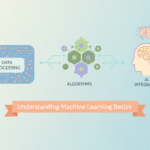
At its heart, AI is about mimicking human intelligence through machines, but for website optimization, the focus narrows down to specific techniques. Machine learning, natural language processing, and computer vision often take center stage. These help websites analyze data patterns, understand text and voice, and even interpret images.
Think of machine learning as the engine that lets systems learn from data over time, improving predictions without explicit programming for every scenario. Natural language processing (NLP) enables websites to grasp user intent, making chatbots and search bars smarter. Computer vision, though less common in basic sites, can help with tasks like image recognition for e-commerce.
Behind the scenes, AI thrives on data. It sifts through mountains of user interactions, clicks, and behaviors to find meaningful patterns. Imagine an e-commerce site noticing which products get browsed the most after certain search terms—that’s machine learning at play. It can then recommend items in a way that feels personalized, boosting the likelihood of a sale.
Another classic example is search engine optimization itself. AI tools analyze how visitors reach your site, the keywords they use, and even what content keeps them engaged. Based on these insights, websites can adjust content, loading speeds, and metadata dynamically for better rankings and user retention.
Integrating AI into website optimization isn’t just about keeping up with technology trends. It offers tangible benefits that make a measurable difference. For starters, personalized experiences often translate to higher engagement and conversion rates. When users find content or products tailored to their preferences, they’re more likely to stick around and take action.
AI also automates many time-consuming tasks, freeing up human teams to focus on creativity and strategy rather than routine adjustments. Plus, its ability to process vast datasets quickly means optimization decisions become data-driven rather than guesswork, reducing costly missteps.
Despite its advantages, AI sometimes gets a bad rap or unrealistic expectations. A classic misconception is thinking AI can instantly fix all site problems without human oversight. In reality, AI tools require solid data, careful configuration, and ongoing monitoring to work well.
Another pitfall is assuming AI means “set it and forget it.” Optimization is an evolving process. User behavior changes, new trends emerge, and algorithms update. Without continuous tuning, even the smartest AI can become less effective over time.
AI is not static—it’s an ever-changing field continuously offering new tools and capabilities. As natural language models get more sophisticated, websites might soon interact with visitors almost like human agents, understanding context and emotions deeply.
Moreover, ethical considerations around data privacy and transparency are becoming paramount. Successful website optimization using AI will balance technological prowess with respect for users’ trust.
Embracing core AI concepts for website optimization is less about adopting flashy tech and more about weaving intelligent automation and insight into everyday strategies. When done thoughtfully, it transforms a website from a static presence into a responsive, evolving platform—one that not only meets user expectations but anticipates them. In the digital age, that’s a powerful edge.