Physical Address
304 North Cardinal St.
Dorchester Center, MA 02124
Physical Address
304 North Cardinal St.
Dorchester Center, MA 02124

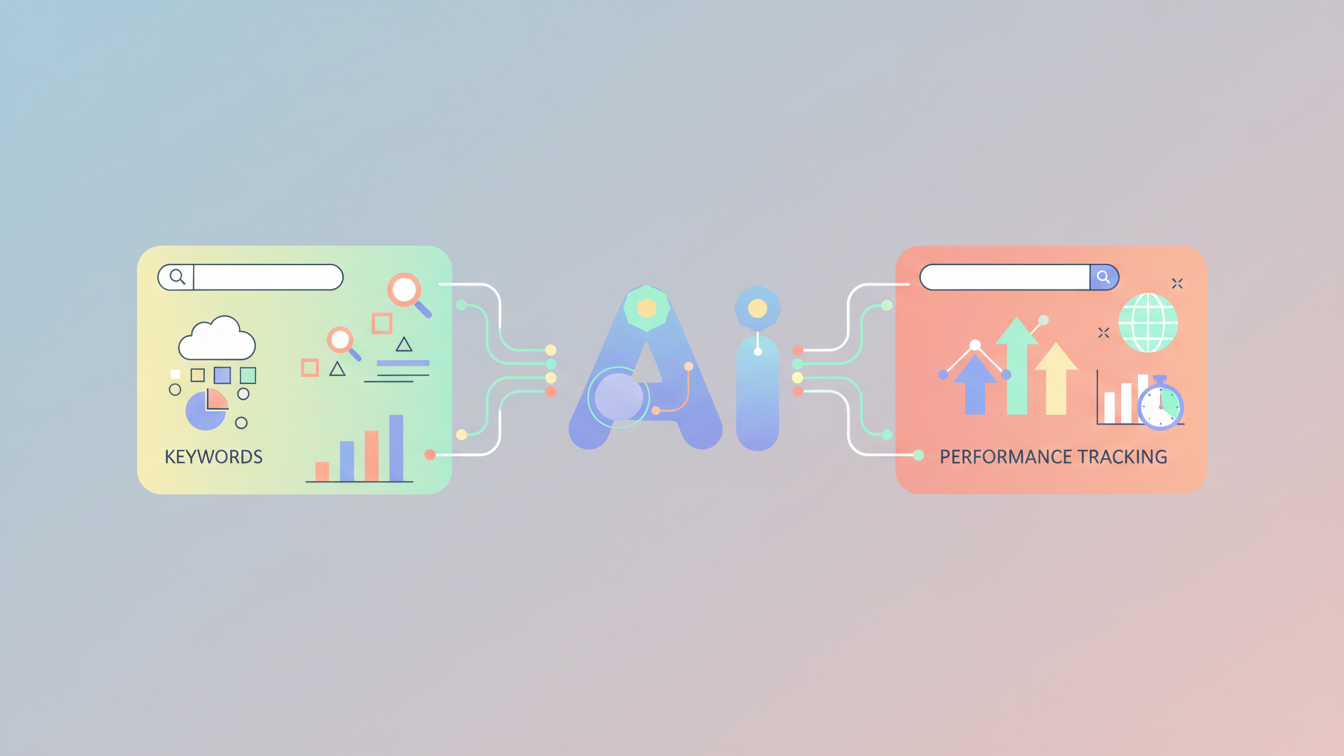
Search Engine Optimization (SEO) has been evolving rapidly, and artificial intelligence (AI) is at the heart of this transformation. Once limited to keyword stuffing and basic link-building tactics, SEO today demands a far more nuanced approach. AI helps marketers understand search intent, predict trends, and automate processes that used to take hours or even days.
AI’s ability to analyze vast amounts of data and adapt to user behavior makes it invaluable for businesses wanting to maintain a competitive edge online. It’s no longer just about pleasing algorithms; it’s about creating meaningful experiences that align with both users and search engines.
Understanding AI’s role in SEO requires familiarity with several foundational ideas:
These concepts form the backbone of modern SEO tools and strategies, creating a dynamic landscape that adapts continually rather than reacting slowly.
AI integrates into SEO through a combination of data processing, pattern recognition, and predictive analytics. For example, AI-powered tools crawl millions of web pages to identify successful keyword strategies used by competitors. They then recommend keywords that align closely with your site’s niche and audience.
Thanks to NLP, AI can understand semantic relationships between words and phrases, moving beyond simple keyword matching to grasp intent. This means content can be optimized to satisfy the underlying questions users are asking, rather than just their exact search terms.
Behind the scenes, AI algorithms constantly monitor search engine updates and user interaction signals. This ongoing feedback loop helps adjust SEO tactics in real-time, ensuring that strategies remain effective even as search engines become more sophisticated.
Consider a travel blog aiming to rank higher for “best hiking trails.” An AI SEO tool might analyze search trends and discover rising interest in “family-friendly hiking trails” or “hiking trails near national parks.” It then suggests incorporating these related phrases and creating specialized content to capture broader traffic.
Another example is voice search optimization. AI understands how people speak naturally, which differs from typed searches. By using AI to optimize for conversational queries, websites can tap into the growing number of voice assistants like Siri or Alexa.
On the technical side, AI can audit websites to diagnose performance bottlenecks or identify broken links. This proactive maintenance ensures a seamless user experience and satisfies search engine quality signals.
AI brings several advantages to the SEO arena, including:
Industries as diverse as e-commerce, healthcare, and education leverage AI-powered SEO to attract relevant audiences and drive conversions. For example, online retailers use AI to optimize product descriptions and search filters, while local businesses rely on AI-enhanced listings to dominate neighborhood searches.
Despite AI’s strengths, relying on it blindly can backfire. A few pitfalls to watch out for include:
Balancing AI insights with thoughtful strategy and ethical practices is crucial to long-term SEO success.
Artificial intelligence is reshaping SEO by enabling smarter, faster, and more personalized approaches to ranking and content creation. It empowers marketers to go beyond guesswork and react to real-time signals from both search engines and audiences.
As search algorithms grow more complex, leveraging AI becomes less of an option and more of a necessity for businesses eager to stand out in crowded digital spaces. However, the best outcomes arise when AI is combined with human expertise — marrying data-driven insights with creativity and context.
In short, AI is not just a tool in modern SEO; it’s a fundamental driver of innovation that helps unlock the full potential of search in today’s connected world.