Physical Address
304 North Cardinal St.
Dorchester Center, MA 02124
Physical Address
304 North Cardinal St.
Dorchester Center, MA 02124


In the ever-evolving landscape of digital technology, keeping a website healthy and efficient has become more complex and crucial than ever. Enter AI-driven website diagnostics, a revolutionary approach that leverages artificial intelligence to analyze, detect, and predict issues that could affect a website’s performance, security, and user experience. Unlike manual audits that can be time-consuming and prone to human error, AI tools provide a more dynamic and precise way to maintain a site’s optimal functioning.
Think of it as having a seasoned technical expert constantly scanning your website’s code, structure, and behavior—but automated. The insights gained often go beyond what traditional tools offer, cutting through the noise to reveal hidden bottlenecks and potential risks.
At its core, AI-driven diagnostics combines machine learning algorithms with vast datasets to evaluate a website’s health. Unlike static tools that operate on preset rules, AI systems learn from patterns, anomalies, and even past fixes to improve their assessments over time.
For example, instead of merely flagging broken links, AI diagnostics might correlate those broken links with traffic drops or user behavior changes, providing a more holistic perspective. This adaptive nature helps uncover subtle interactions, such as how a slow-loading script affects bounce rates during peak hours.
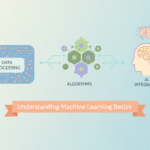
How does AI actually work under the hood in these diagnostics? It typically begins with data collection—crawling through the website’s pages, scripts, and server responses. AI models then process this data to identify patterns that might indicate common issues like:
More advanced systems even incorporate user interaction data and external signals like search engine rankings or competitor benchmarks. By processing all these streams, AI can not only flag issues but suggest prioritized fixes, predict future problems, and tailor recommendations to the site’s unique context.
Imagine a popular e-commerce store noticing a sudden dip in sales. An AI diagnostic tool can quickly scan the site to find that a recent update introduced a conflicting JavaScript file causing slow checkouts on mobile devices. The AI spots this pattern almost immediately, offering a fix before customer frustration escalates.
Or consider a content-heavy news site struggling with SEO rankings after a redesign. Here, AI diagnostics might highlight that excessive redirects and missing metadata on multiple pages are to blame—elements that a human auditor might miss due to sheer volume.
For businesses, this means less time firefighting and more time focusing on strategic growth and customer engagement.
Despite its promise, relying solely on AI diagnostics without human judgment can lead to pitfalls. For one, AI models are only as good as the data they’re trained on. If the underlying dataset lacks diversity or real-world complexity, diagnostics might miss edge cases or generate false positives.
Another misconception is that AI diagnostics eliminate the need for manual audits altogether. While automation can handle repetitive and broad sweeps, nuanced decisions—like prioritizing user experience design trade-offs or interpreting brand messaging impacts—still require human insight.
Also, businesses sometimes expect instant magic. But diagnosing and fixing site issues often involves collaboration across developers, designers, and marketers. AI tools simply augment this process—they don’t replace it.
Beginning this journey doesn’t have to be daunting. Many platforms offer AI-powered diagnostics integrated directly into website management dashboards or as standalone services. Start by choosing a tool that aligns with your site’s technology stack and goals.
Next, schedule regular scans—weekly or monthly, depending on site activity. Pay attention not just to the flagged issues but to patterns over time. Use AI suggestions as a guide but apply your own contextual knowledge when prioritizing fixes.
Finally, pair AI insights with traditional audits, user feedback, and performance metrics to build a comprehensive view of your site’s health.
AI-driven website diagnostics represent a shift toward smarter, more proactive site management. They offer unprecedented potential to uncover hidden inefficiencies and stay ahead in a fast-paced digital world. Yet, the best results come when AI’s analytical power is combined with human intuition and experience.
In other words, think of AI as a powerful co-pilot rather than a solo pilot. Together, you can navigate the complex terrain of website maintenance with greater confidence and clarity.