Physical Address
304 North Cardinal St.
Dorchester Center, MA 02124
Physical Address
304 North Cardinal St.
Dorchester Center, MA 02124


If you’ve ever managed a website or run customer support, you know how frequently the same questions come up. FAQs are the unsung heroes of user experience, quietly cutting down repetitive inquiries and offering quick answers. But creating and keeping these FAQs updated can be a bit of a treadmill—endless content revisions and formatting chores.
That’s where automation steps in. When we talk about automating FAQ content, we mean using tools and workflows that gather, create, organize, and update frequently asked questions with minimal manual effort. This isn’t just about convenience; it’s about smarter resource allocation and improved customer satisfaction.
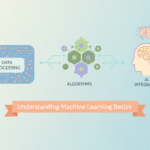
At its core, automating FAQs blends content management systems with AI-powered text generation and data integration. The process typically involves:
By integrating these steps into a workflow, businesses can keep their FAQ sections accurate and relevant without constant human oversight.
Imagine an e-commerce site with a bustling customer base. Support teams notice recurring queries about shipping times and return policies. Instead of manually compiling these questions, an automated system scans chat transcripts, emails, and search inputs to extract popular questions. Then, either through AI-written drafts or pre-set templates, it generates answers.
Once the content is created, the system categorizes questions, aligning them with various product lines or topics. It may also integrate with the website’s content management system to push updates live. The magic here is in the feedback loop: as new questions emerge, the system learns and adapts, fine-tuning answers or flagging items for human review when necessary.
It’s one thing to understand automation conceptually, but quite another to grasp its impact. Here’s where it shines:
Despite its advantages, automating FAQ content isn’t foolproof. A few things to watch out for include:
Automating FAQ content isn’t a silver bullet—it’s part of a smarter content ecosystem. When done right, it amplifies your ability to serve customers quickly and accurately, while freeing your team to focus on more creative or complex tasks. It’s about meeting users where they are, anticipating their needs, and adapting as your offerings evolve.
In a world where information flows fast and attention spans are short, an automated, well-maintained FAQ section can be your frontline problem solver. Embrace automation thoughtfully, blend it with human wisdom, and watch your support experience transform into something not just efficient, but genuinely helpful.