Physical Address
304 North Cardinal St.
Dorchester Center, MA 02124
Physical Address
304 North Cardinal St.
Dorchester Center, MA 02124

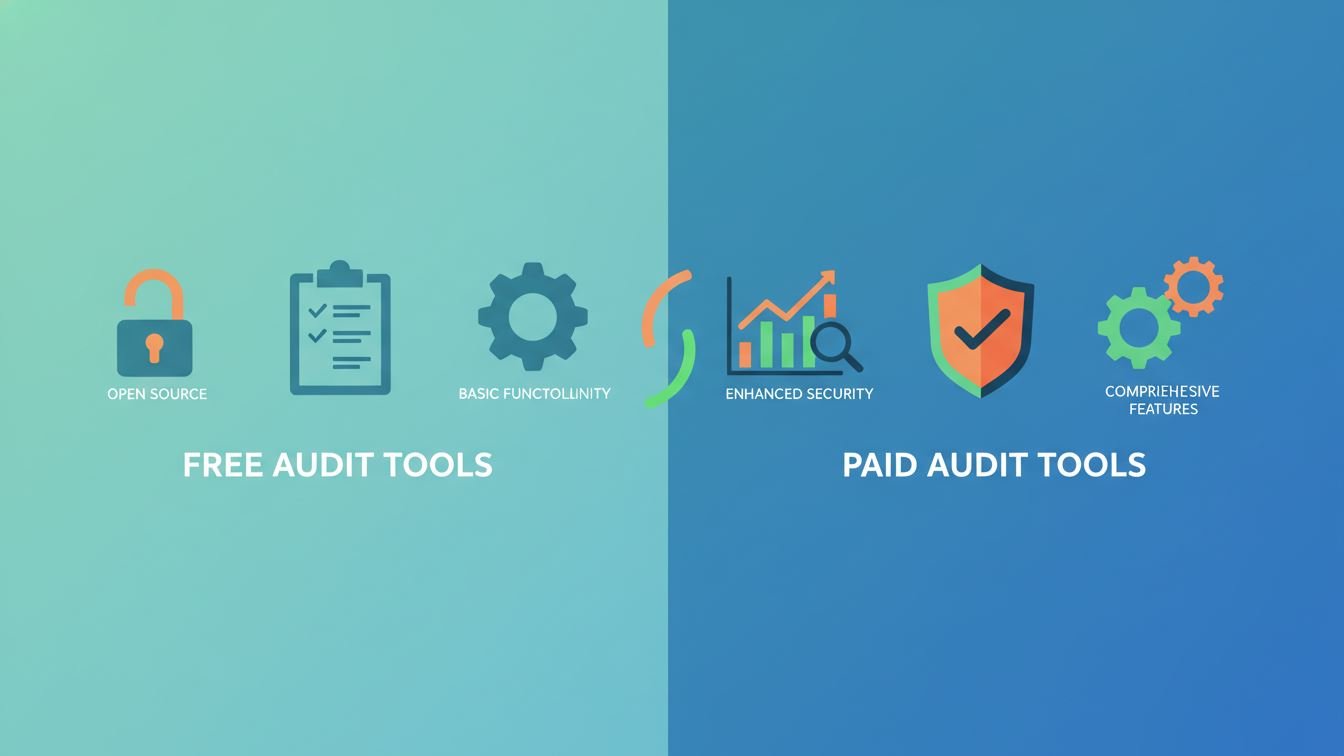
When it comes to auditing your website, system, or software, selecting the right tool can feel like navigating a maze. The digital world offers an abundance of audit tools, broadly divided into two camps: free and paid. Each has its place, benefits, and potential drawbacks, and understanding these nuances can save you time, money, and headaches down the road.
At their core, audit tools are software solutions designed to analyze different elements of a system—be it a website’s SEO, security, performance, or code quality. They help identify weaknesses, compliance issues, or optimization opportunities by scanning, evaluating, and reporting on specific factors. For anyone managing digital assets, these tools act like a health check-up, offering insights that human eyes alone might miss.
Free tools typically offer a snapshot view, giving users a taste of what’s possible without any initial investment. They often come with limitations, such as restricted daily usage, fewer features, or simplified reports. But don’t let that deter you—many free tools are surprisingly robust and can handle basic audits efficiently.
For instance, Google Search Console provides essential SEO audit data like crawl errors, indexing issues, and backlink information at no cost. Similarly, free versions of website speed testers offer valuable insights into load times and performance bottlenecks. These are great for beginners or businesses just starting to build their digital presence.
Most free tools work by running scans on your site or system, analyzing predefined parameters like page speed, meta tags, or security headers. They then generate reports highlighting detected issues, often with straightforward recommendations on how to fix them.
Paid audit tools step up the game by providing deeper analysis, richer features, and often more reliable data. They’re designed for professionals, agencies, or businesses that need comprehensive auditing capabilities. Paid solutions usually offer advanced reporting, integration with other platforms, ongoing monitoring, and priority support.
Take tools like SEMrush, Ahrefs, or Screaming Frog—they provide extensive SEO audits that cover everything from content quality and backlink health to keyword tracking and competitor analysis. On the security front, paid vulnerability scanners can perform in-depth penetration testing beyond the basics covered by free scanners.
One core advantage of paid tools is automation: they can schedule regular audits, alert you to new issues immediately, and sometimes even suggest fixes based on evolving standards. This saves hours that would otherwise be spent running manual checks or sifting through data.
It’s tempting to jump straight to paid tools, especially with their flashy dashboards and extensive features. Yet, starting with free tools often provides a solid foundation—enough to catch glaring problems and get a feel for your site’s health. For small businesses, blogs, or personal projects, free tools might be all you need.
However, as your digital ecosystem grows or your auditing requirements become more complex, free tools can feel limiting. If you’re managing multiple websites, need detailed competitive analysis, or require compliance reporting, paid tools start to shine. Plus, the time and effort saved by automation often justify their cost.
Consider a startup trying to improve its organic traffic. Initially, they could rely on Google Search Console and free SEO analyzers to identify basic SEO fixes. As their marketing team expands and they target aggressive growth, investing in platforms like SEMrush provides comprehensive keyword research, backlink monitoring, and competitor insights that free tools simply don’t cover.
On the security side, a freelance developer might use free vulnerability scanners for quick checks. But once the project goes live with sensitive data, switching to paid security audit tools ensures continuous monitoring and compliance with industry standards—something crucial in avoiding costly breaches.
One common myth is that paying for a tool automatically guarantees better results. While paid tools do provide more features, the value you get depends largely on how you use them. Having the most expensive software won’t help if you don’t understand the reports or fail to act on the recommendations.
Another misconception is that free tools are only for beginners and paid tools are only for experts. The reality is more nuanced. Many powerful free tools exist precisely because developers want to give users accessible entry points. Professionals often combine both free and paid tools, leveraging the strengths of each depending on the task.
Finally, some believe audit tools can “fix” problems automatically. These tools identify and suggest fixes, but they don’t implement changes themselves. The human touch is still critical for interpreting findings and applying appropriate solutions.
Whether you choose free or paid audit tools, the key is integration into your broader digital strategy. These tools provide data and insights, but meaningful improvements emerge when that information guides decision-making and action.
Start with free tools to understand your baseline. Explore what features you’re missing, then consider if upgrading to paid services aligns with your goals and budget. Remember, the best audit tool is not necessarily the most expensive one but the one that fits your unique needs and workflow.
Ultimately, audit tools are invaluable allies in maintaining a healthy, competitive online presence. They might not do the heavy lifting for you, but they shine a light on what’s going on behind the scenes—often revealing both hidden pitfalls and exciting opportunities.