Physical Address
304 North Cardinal St.
Dorchester Center, MA 02124
Physical Address
304 North Cardinal St.
Dorchester Center, MA 02124


In the fast-evolving landscape of digital marketing and content creation, the term “generative content strategy” is popping up with increasing frequency. But what does it really entail? At its core, generative content strategy is about leveraging AI-driven tools to craft content that resonates with audiences, while aligning seamlessly with broader marketing goals. It’s not just about having a robot spit out words; it’s about blending human creativity and machine efficiency in a way that feels natural and engaging.
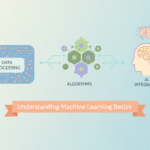
Before diving into how it works, it’s important to grasp some key concepts. Generative content uses algorithms—often based on machine learning and natural language processing—that analyze vast datasets to produce original content. This ranges from blog posts and social media captions to email campaigns and product descriptions.
What distinguishes generative content from traditional content creation is this ability to adapt, learn, and generate text without direct human drafting at every step. The AI tools draw on context, tone, and intended audience profile to produce content that feels both authentic and purposeful.
The process typically starts with inputs known as “prompts” or guidelines. These could be as simple as a headline or as detailed as audience demographics, keywords, and desired emotional impact. The AI model then scans relevant data—like previous successful posts, current trends, or niche-specific language—and stitches together a draft.
Think of it as having an assistant who’s an expert researcher and writer all in one, but instead of working from a blank page, it pulls from an enormous digital library that’s always updating.
Take an e-commerce brand wanting fresh product descriptions that stand out. Instead of rewriting every line manually, a generative content system can craft dozens of unique, SEO-optimized descriptions in a fraction of the time. Similarly, a news outlet might use AI to generate initial drafts of sports recaps or market updates, freeing journalists to focus on in-depth analysis.
Brands are also experimenting with personalized email newsletters, where AI tailors messages based on the recipient’s preferences, increasing open rates and engagement.
Startups with limited resources, large enterprises aiming for scale, content agencies managing multiple clients—it’s a tool that spans across industries. Even creatives and influencers employ generative content to overcome writer’s block and stay ahead of trends.
Despite its promise, many fall into traps when implementing generative content strategies. One frequent mistake is leaning too heavily on AI without human oversight, resulting in bland or off-brand messaging. Another misconception is that generative content can replace human writers entirely. In reality, the best outcomes come from collaboration—humans refining and guiding AI outputs.
Additionally, failing to customize AI parameters often leads to generic, repetitive content that audiences quickly tune out. Like any tool, generative content systems require thoughtful tuning and ongoing evaluation.
Generative content strategy isn’t a silver bullet, but when integrated thoughtfully, it becomes a powerful ally. It’s about amplifying human creativity rather than sidelining it. By understanding the underlying technology, experimenting with use cases, and maintaining editorial quality, marketers and creators can harness AI’s potential to produce content that feels fresh, relevant, and engaging.
As the technology evolves, so too will the ways we tell stories and connect with audiences. Staying curious and adaptable remains the best strategy of all.