Physical Address
304 North Cardinal St.
Dorchester Center, MA 02124
Physical Address
304 North Cardinal St.
Dorchester Center, MA 02124

Over the past few years, AI writing assistants have evolved from simple text predictors into powerful tools that help sharpen our content, spark creativity, and even adapt to diverse writing styles. Whether you’re a blogger, marketer, student, or novelist, these AI companions promise to save time and boost productivity. But with so many options on the market, how do you decide which one fits best?
At its core, an AI writing assistant is a software application powered by machine learning algorithms, often built on large language models. These tools can suggest sentence completions, offer grammar and style corrections, generate ideas, or even draft entire paragraphs based on user input. The best assistants feel less like automated editors and more like collaborative partners, adapting their suggestions to your unique voice.
Most modern AI writing assistants rely on massive datasets and deep learning architectures. When you input text or prompts, the AI analyzes patterns, predicts plausible continuations, and refines suggestions based on context. Some integrate natural language understanding to detect tone, intent, and user preferences, allowing for more nuanced feedback rather than boilerplate corrections.
For example, if you ask an AI to help with a professional report, it might focus on clarity and formal tone, whereas casual blog posts receive more relaxed phrasing. This contextual awareness is where many tools differentiate themselves.
Let’s look at some leading AI writing assistants and what sets them apart.
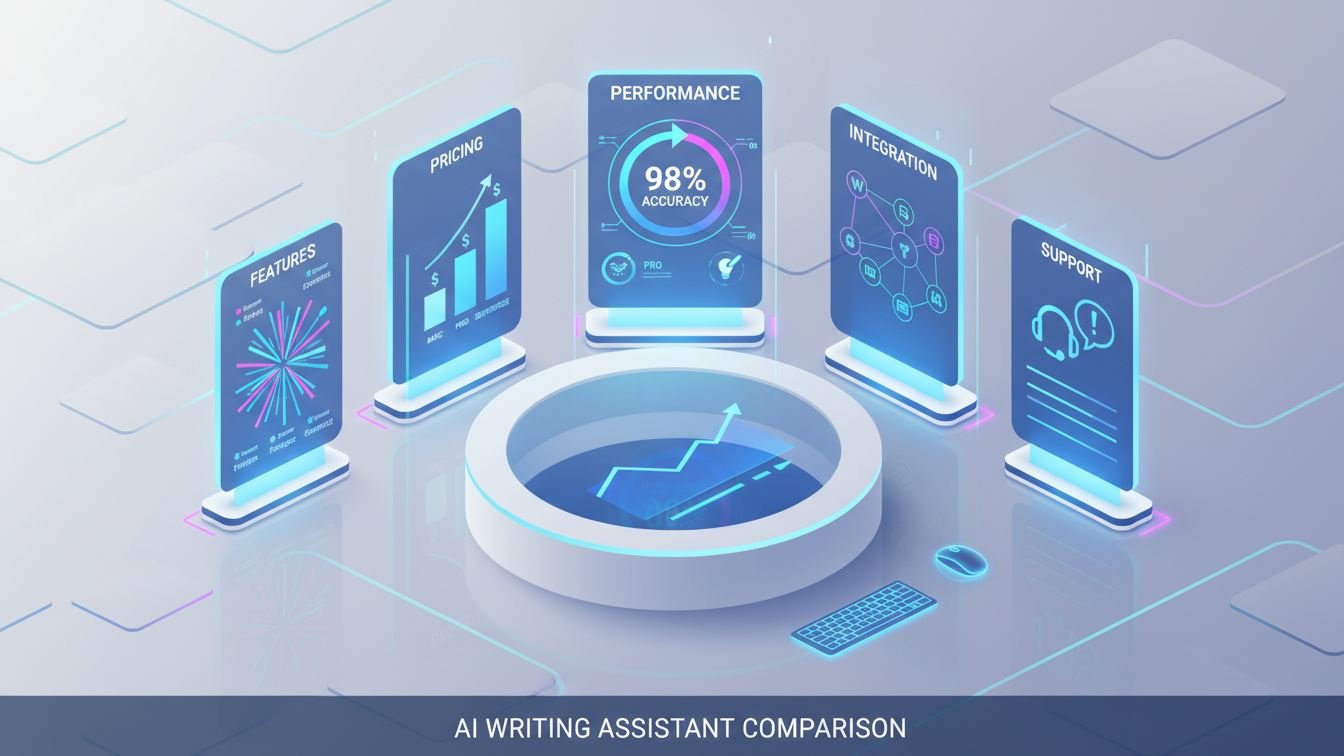
Not all AI writing assistants are created equal, and the best choice depends heavily on your goals. Are you looking for meticulous grammar fixes, or do you need a creative partner to draft marketing copy? Is integration with other tools a priority, or do you want offline functionality?
For instance, a legal professional might lean heavily on Grammarly’s accuracy, while a social media manager benefits from Jasper’s speed and adaptability. Understanding your workflow and pain points guides you toward the right assistant.
Picture a freelance writer juggling multiple clients. With AI assistants, daily tasks such as brainstorming blog titles, generating product descriptions, or polishing emails become smoother and faster. Instead of staring at a blank page, the AI sparks ideas or suggests better phrasing, allowing the writer to focus on refining the message.
Students can use these tools to outline essays, improve clarity, or check for plagiarism. Meanwhile, businesses may automate routine content creation — newsletters, social posts, or FAQs — freeing up human creativity for bigger-picture projects.
Beyond saving time, AI writing assistants help reduce writer’s fatigue and combat perfectionism by offering readily available input. They can also expose users to new styles and vocabulary, enhancing learning and skill development over time.
Some tools even allow tone adjustment, ensuring brand consistency across various authors or departments. This subtle, yet powerful capability is increasingly valuable in marketing and communications.
One misconception is that AI writing assistants are fully autonomous writers. Many users overestimate their creativity or accuracy, forgetting that these are tools designed to augment human input, not replace it.
Another frequent mistake is relying too heavily on AI-generated content without proper fact-checking or personal editing. While the technology is impressive, it can produce errors or outdated information, especially with niche topics.
Lastly, some folks assume all AI assistants are the same. The reality is nuanced: models differ in training data, update frequency, and feature sets, which means choosing a tool without research may lead to frustration.
AI writing assistants have come a long way, offering a blend of efficiency, creativity, and polish that can transform how we write. The key is to view them as co-creators who amplify your voice rather than substitutes for your thinking.
As you explore options, try free trials or demos and consider how well the tool integrates with your existing workflow. Keep in mind that writing is as much an art as a science, and the best AI assistants respect that balance.
Ultimately, the right AI writing assistant is one that fits naturally into your process, freeing you up to focus on what matters most: communicating your ideas in a way only you can uniquely convey.