Physical Address
304 North Cardinal St.
Dorchester Center, MA 02124
Physical Address
304 North Cardinal St.
Dorchester Center, MA 02124

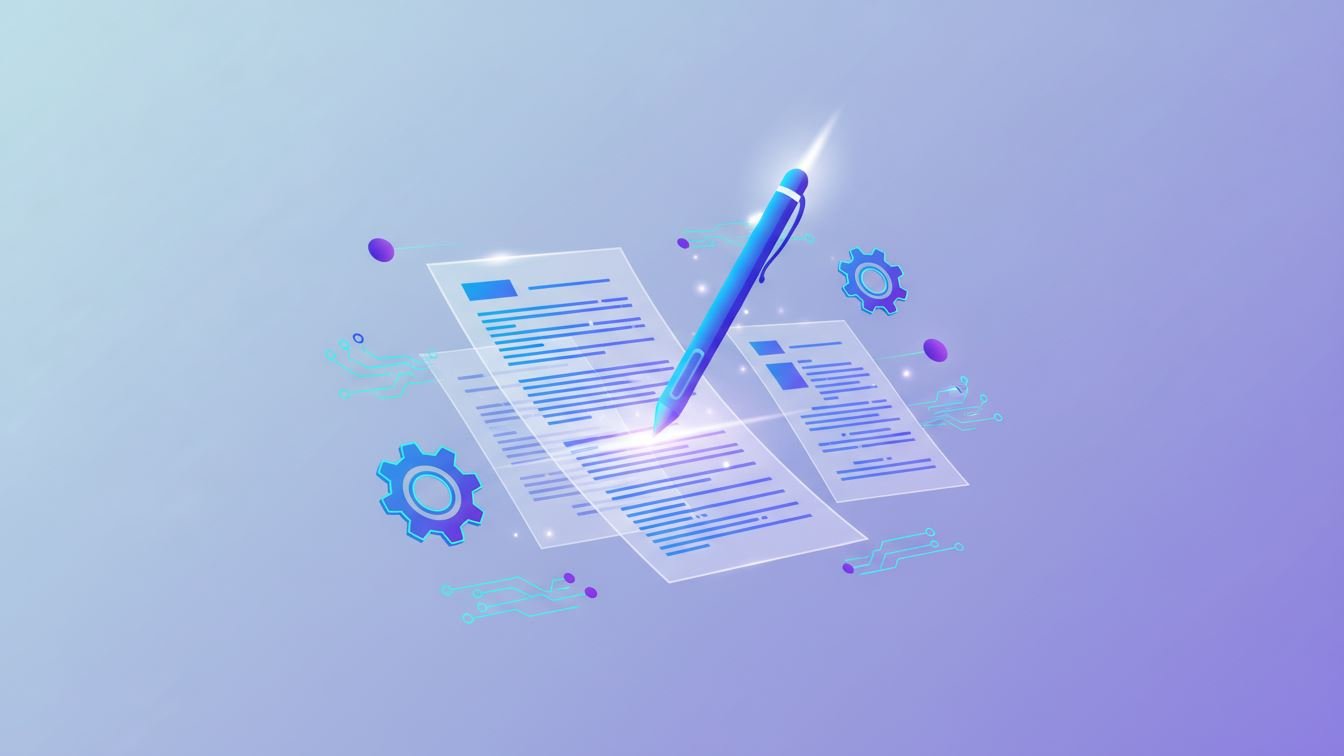
In recent years, the rise of AI writing assistants has sparked a quiet revolution in how we approach content creation. These tools, powered by sophisticated language models, are no longer just novelties but integral helpers in everything from casual blogging to professional copywriting. But what exactly are AI writing assistants, and why have they become such a fixture in the writing landscape?
At their core, AI writing assistants are software applications designed to help generate, edit, or enhance written content. They can suggest phrasing, check grammar, improve clarity, and sometimes even create entire paragraphs or articles based on a few user prompts. Think of them as a blend of an intelligent editor, a creative brainstorming partner, and a language consultant all rolled into one digital package.
The magic behind AI writing assistants lies in natural language processing (NLP) and machine learning. These technologies enable a computer to understand, interpret, and generate human-like text by analyzing vast amounts of data. Essentially, the AI has “read” and learned from countless documents, websites, books, and articles to recognize language patterns and context.
When you input a sentence or a topic, the AI predicts the most relevant and coherent output based on what it’s learned. The process feels seamless, but behind the scenes, it’s a complex dance of algorithms optimizing for grammar, tone, readability, and sometimes even style preferences.
Imagine a content marketer tasked with producing blog posts on tight deadlines. Instead of starting from scratch, they might use an AI writing assistant to generate a draft outline or even a first version of the post. This frees up time to focus on fine-tuning the message and ensuring brand voice consistency.
Students can benefit similarly—drafting essays, improving sentence structure, or overcoming writer’s block by bouncing ideas off the AI. Authors often use these tools to explore plot ideas or develop dialogue. Even casual users find them handy for writing emails, social media updates, or crafting thoughtful messages.
One obvious benefit is speed. These tools can churn out text much faster than traditional writing processes. But the value doesn’t stop there.
In short, AI writing assistants can be a force multiplier for productivity and creativity.
Despite their growing popularity, misconceptions still swirl around AI writing tools. Some worry these assistants will replace human writers, but that’s an oversimplification. Think of AI as a collaborator, not a substitute.
Another trap is over-reliance. Blindly accepting AI-generated content without review can lead to errors, inaccuracies, or a bland, generic tone. After all, AI doesn’t truly “understand” content in a human sense; it patterns text statistically.
Moreover, it’s easy to overlook ethical considerations. Plagiarism, misinformation, or biased outputs can slip through without careful oversight. Responsible use involves human judgment, fact-checking, and ensuring originality.
From digital marketing agencies to educational institutions, AI writing assistants have found fertile ground. Businesses use them to draft emails, product descriptions, and customer support responses. Content creators leverage these tools for scripting video captions or brainstorming social media content.
In academia, AI enables researchers to streamline literature reviews or generate summaries, though with caution to preserve academic integrity. Even legal professionals experiment with AI to draft routine documents or assist in contract analysis.
While current AI writing assistants are impressive, they are still evolving. Future iterations may better capture nuance, irony, or emotional depth—elements that remain tricky for machines. Integration with voice and multimodal inputs could also make interactions more natural and versatile.
Ultimately, AI writing assistants will likely become more personalized, adapting to individual users’ styles and preferences over time. The goal is not to replace the human touch but to enhance it, making writing more accessible and enjoyable.
AI writing assistants are reshaping how we approach the written word. Far from cold, mechanical tools, they serve as dynamic collaborators that can inspire, refine, and accelerate writing projects. While they require thoughtful use and human oversight, their potential to democratize quality writing is undeniable.
Whether you’re a seasoned professional or someone who dreads the blinking cursor on a blank page, these assistants offer a way to break through barriers and unlock new creative possibilities. Embracing the strengths—and acknowledging the limitations—of AI in writing might just be the secret to crafting better content in the digital age.