Physical Address
304 North Cardinal St.
Dorchester Center, MA 02124
Physical Address
304 North Cardinal St.
Dorchester Center, MA 02124


When we talk about creating AI-readable content, we’re essentially discussing how to craft text in a way that not only appeals to human readers but is also easily understood and processed by artificial intelligence systems. As AI increasingly powers search engines, chatbots, and recommendation algorithms, ensuring your content speaks both languages — human and machine — becomes crucial.
Think of AI-readable content as a bridge. On one side, you have the depth, nuance, and creativity of human expression. On the other, complex algorithms breaking down language into data points. Striking the right balance ensures your message isn’t lost in translation.
At the core, AI systems analyze content based on structure, clarity, and semantic relevance. Unlike simply stuffing keywords or following outdated SEO tactics, modern AI emphasizes context and user intent. Here’s what matters most:
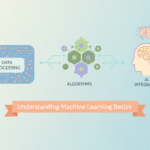
Simply put, AI uses natural language processing (NLP) models trained on massive amounts of data to interpret meaning. It analyzes syntax, detects entities, and evaluates semantic connections. The better the content expresses ideas clearly and logically, the more effectively the AI can parse it.
For instance, a well-structured paragraph about “generative content strategies” will allow an AI to quickly recognize the subject, understand associated tactics, and classify the text appropriately within a broader knowledge graph. This classification can then influence search engine rankings or how content is suggested to users.
Creating content that’s AI-friendly doesn’t require a complete overhaul of your writing style. Instead, it involves thoughtful tweaks and a mindset shift focused on clarity and relevance.
Imagine an article targeting “creating AI-readable content.” Instead of writing a single paragraph stuffed with keywords:
“Creating AI-readable content involves optimizing your content for AI algorithms by using keywords and ensuring readability so your content ranks better on search engines.”
Try this approach:
This not only enhances user experience but also signals to AI the depth and relevance of your content.
Beyond SEO rankings, creating AI-readable content offers several tangible benefits. For marketers and content creators, it means:
Industries ranging from e-commerce to education are leveraging AI-readable content to automate FAQs, generate personalized recommendations, and create interactive experiences.
Despite best intentions, some mistakes often trip up content creators trying to cater to AI:
Remember—AI isn’t just a robot scanning for buzzwords. It’s a complex model trained to understand meaning, so treat it as a collaborator rather than an obstacle.
Creating AI-readable content is less about bending your writing to machine whims and more about refining communication. Clarity, context, and thoughtful structure serve everyone—humans and machines alike. As AI continues to evolve, so will the strategies that enable content to resonate across digital ecosystems.
Rather than chasing short-lived SEO hacks, invest time in fostering genuine understanding through your words. When your content clearly conveys value, AI systems can recognize it, boosting your reach organically. In the end, writing for AI readability is really about writing better for your audience—and that’s a win-win scenario.