Physical Address
304 North Cardinal St.
Dorchester Center, MA 02124
Physical Address
304 North Cardinal St.
Dorchester Center, MA 02124

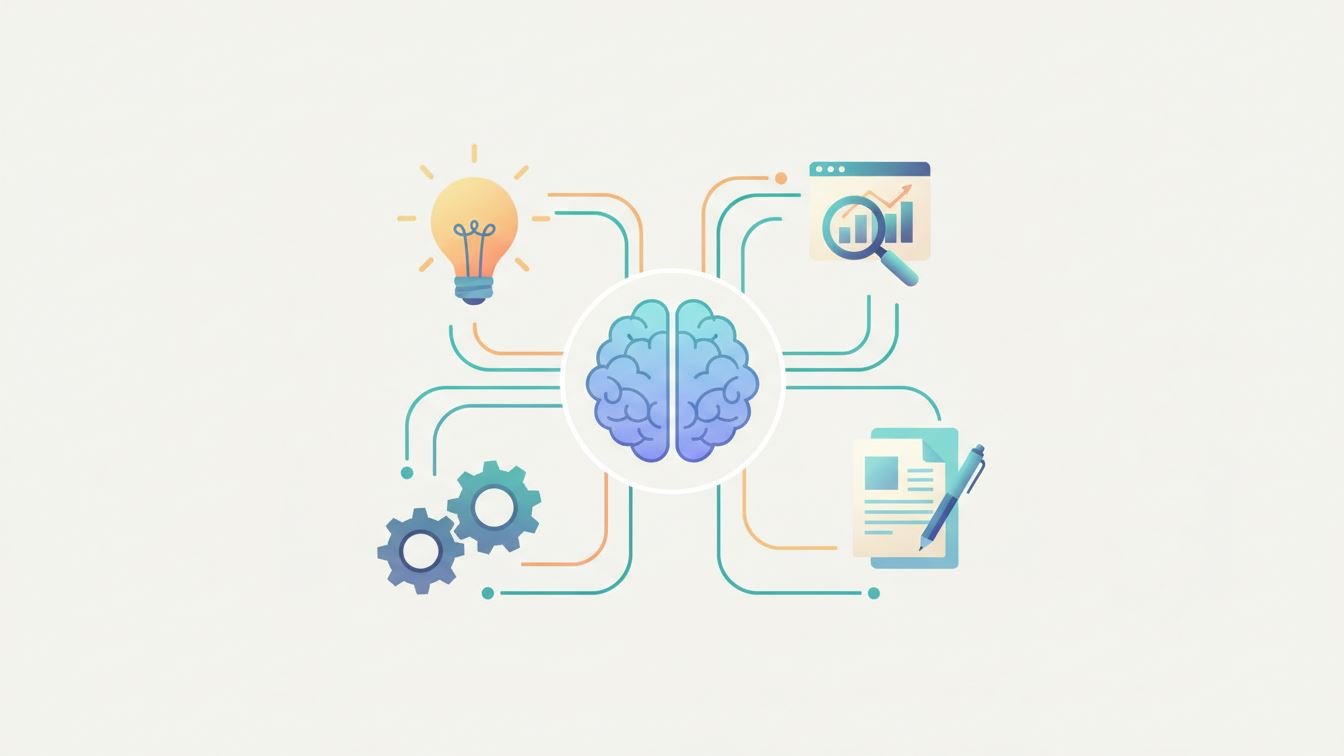
Content creation has always been a blend of creativity, research, and strategy. But with the rise of AI tools capable of generating text, images, and even video, there’s a fresh layer of complexity—and opportunity—added to the mix. Generative Content Planning is no longer just about brainstorming topics and scheduling posts. It’s about understanding how artificial intelligence can actively shape and optimize your content roadmap to resonate better with your audience and meet business goals.
At its core, generative content planning means using AI-driven technologies to assist in designing a content strategy that is both scalable and tailor-made. Instead of manually piecing together ideas and keywords, content planners leverage generative AI models that can propose themes, draft outlines, or even suggest angles based on data insights, trending topics, and user behavior patterns.
This planning approach isn’t about replacing the human touch—far from it. Rather, it’s a partnership where the machine handles the heavy lifting of data processing and ideation explosion, freeing creators to add nuance, emotion, and expertise.
Generative content planning typically starts with feeding data into the AI system. This might include existing content performance metrics, audience demographics, search trends, and competitor analysis. The AI digests this information, spotting gaps, opportunities, and emerging angles that might otherwise remain hidden.
From there, the system can generate topic clusters that align well with the brand’s voice and objectives, draft content calendars, or even produce sample headlines and intros. Because AI can analyze enormous datasets in seconds, it’s particularly handy for identifying niche subtopics or evolving questions in your industry.
One of the biggest advantages is efficiency. AI can generate a trove of ideas and frameworks in moments, a task that might take days or weeks for a human team. This means faster time-to-market and the ability to capitalize on fleeting trends.
Another benefit is precision. By analyzing real-time data and user signals, AI helps ensure the content hits exactly where interest is strongest. This hyper-relevance often translates into improved engagement, higher SEO rankings, and better ROI.
Moreover, generative content planning encourages diversity in content types and angles. It can surface perspectives or formats (like interactive quizzes or how-to guides) that might have been overlooked.
It’s easy to fall into the trap of thinking generative AI works like a magic wand. However, relying solely on AI-generated ideas without human vetting can lead to generic or tone-deaf content. AI lacks the empathy and cultural sensitivity that humans intuitively bring to communication.
Another misconception is that AI replaces creativity. Instead, it should be viewed as a catalyst for creativity—offering a springboard rather than a finished product.
Finally, some planners expect that generative content planning guarantees viral hits or immediate SEO success. While it optimizes and increases chances, quality and audience connection still require thoughtful development and iteration.
Generative content planning is evolving quickly and becoming a vital tool in the modern marketer’s arsenal. When paired with human insight, it offers a remarkable balance of data-driven strategy and creative authenticity. The key lies in harnessing AI’s strengths—speed, scalability, and pattern recognition—while keeping your brand’s voice and audience relationships at the forefront.
As you explore generative content planning, consider it not as a shortcut but as a powerful collaborator that can help you tell better stories, connect deeper, and adapt faster in an ever-changing digital landscape.