Physical Address
304 North Cardinal St.
Dorchester Center, MA 02124
Physical Address
304 North Cardinal St.
Dorchester Center, MA 02124

Ever skimmed an article only to get lost in a wall of text? That’s where headings and subheadings come to the rescue. They’re not just decorative or for breaking up content—they’re the signposts guiding readers through your ideas. Think of them like the chapters and sections in a well-written book, helping people navigate your message without feeling overwhelmed.
Beyond just making content easier to read, headings also play a crucial role in SEO. Search engines rely on these structural clues to understand what your content is about and how it’s organized. So, using headings thoughtfully can boost your visibility while improving the user experience—a win-win.
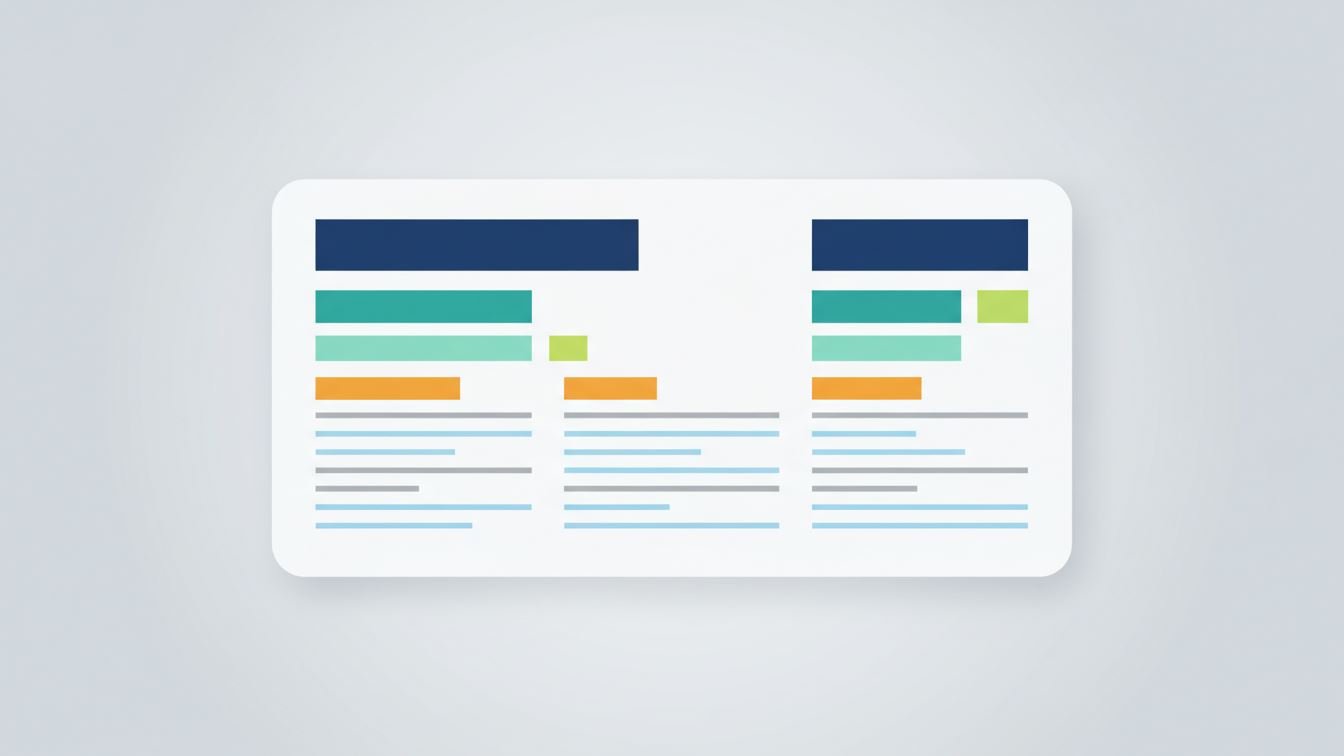
At their core, headings organize content hierarchically. You typically start with broad topics and then narrow down into subtopics. While your CMS might auto-generate a page title as an H1 tag, your article should use H2 for main sections and H3 or lower for subpoints.
Each heading level has its place. For example, an H2 heading might introduce a new concept or step in a process, while an H3 breaks that concept down further into manageable chunks. This layered approach helps readers scan and absorb information effortlessly.
Great headings are clear, concise, and hint at what’s coming next. They should give readers a reason to stick around without giving everything away. The trick is balancing curiosity with clarity.
For instance, instead of a vague heading like “Tips,” a more descriptive heading such as “Simple Tips to Improve Your Writing Today” sets expectations and entices the reader. Pair that with subheadings that elaborate on each tip, and you have a roadmap that feels both helpful and inviting.
Remember who you’re writing for. Good headings speak to the audience’s needs and interests. They answer the question: “Why should I care?” When you tap into this, headings become gateways rather than mere labels.
Without stuffing, integrate keywords naturally into your headings. This helps search engines understand your content’s relevance. But always prioritize readability—no one likes a clunky, keyword-laden title.
Imagine an article about planning a trip. Instead of dumping everything under one long heading, break it down:
This structure guides readers step-by-step and allows them to quickly skip to the sections relevant to them. It’s also easier on the eyes and makes the article digestible.
One of the biggest wins from good heading use is engagement. Readers stick around longer when content feels organized, and this reduces bounce rates—something both search engines and marketers appreciate.
Headings also enhance accessibility. Screen readers rely heavily on heading structure to help visually impaired users navigate content. Clear, logical headings create a better experience for everyone.
Moreover, content marketers use headings to optimize snippets, improve social media previews, and craft better email newsletters. The way you structure your headings can ripple across multiple channels.
Despite their importance, headings are often misused. One common mistake is overusing H2 tags, which flattens the hierarchy and confuses readers and search engines alike.
Another trap is vague headings that don’t provide enough context. “Introduction” or “Conclusion” might sound logical, but they don’t tell users what to expect or why those sections matter.
Also, avoid stuffing headings with too many keywords or making them overly long. It’s like yelling in a noisy room—your message gets lost instead of heard.
Using headings and subheadings effectively is more than a technicality—it’s about respect for your reader’s time and attention. When done well, headings feel like a helpful friend gently pointing the way through your content labyrinth.
They improve readability, boost SEO, support accessibility, and make your writing just plain nicer to engage with. So next time you draft an article, think of your headings as the story’s roadmap—the clearer and more thoughtful, the better your readers’ journey will be.