Physical Address
304 North Cardinal St.
Dorchester Center, MA 02124
Physical Address
304 North Cardinal St.
Dorchester Center, MA 02124

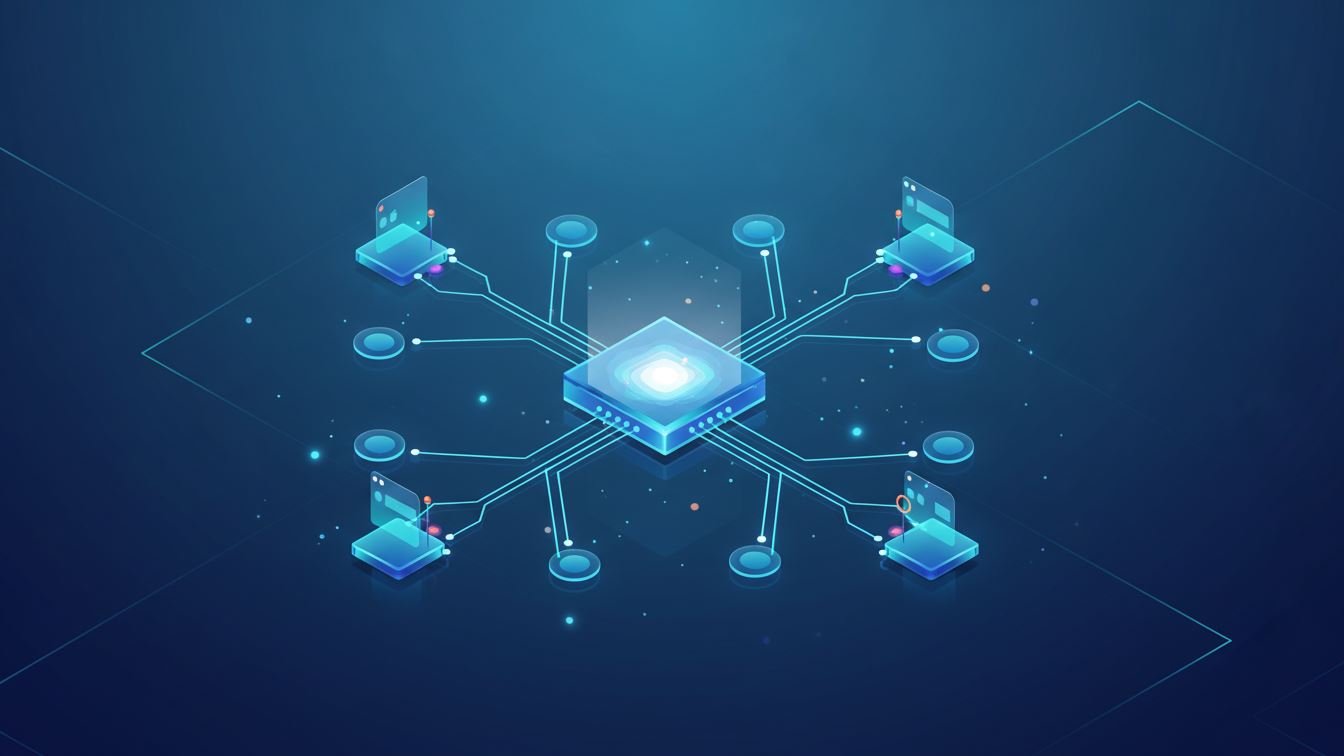
Internal linking is often discussed in SEO circles, but its role in guiding AI-driven site navigation deserves deeper attention. Think of your website as a city: internal links are the roads connecting neighborhoods and landmarks. For AI systems—like search engine crawlers or intelligent site assistants—these pathways are crucial. They don’t just find pages randomly; they follow links to discover, understand, and rank content. When done thoughtfully, internal linking improves how AI perceives your site’s structure, making navigation smoother for both bots and human visitors.
At its core, an internal link is a hyperlink that points from one page on your website to another. Simple, right? But not all links carry the same weight. The anchor text (the clickable words) needs to be descriptive and relevant. This helps AI systems contextualize what the destination page is about. For example, linking the phrase “site architecture best practices” to your detailed guide on that topic provides a clear signal.
Moreover, the placement of links within your content matters. Links in the main body typically hold more importance than those buried in footers or sidebars. This subtle hierarchy is something AI algorithms are trained to recognize, influencing which pages receive more ‘attention’.
When AI crawlers visit your site, they start from a handful of known URLs. From there, they follow internal links to find and index other pages, forming a map of your site. Poor internal linking can leave valuable pages stranded, invisible to search engines or AI services.
Beyond discovery, internal links contribute to contextual understanding. By linking related topics together, you help AI build semantic networks, essentially teaching it how your content interrelates. This can lead to better keyword association, improved indexing, and even influence how content is grouped in search results.
Effective internal linking impacts more than just crawling. It distributes link equity (sometimes called “link juice”) across your site, boosting pages that might otherwise languish. This leveling effect can elevate older or less popular pages, keeping them relevant in the AI’s eyes.
There’s also an undeniable user experience upside. Thoughtful internal linking helps visitors explore your site intuitively, decreasing bounce rates and increasing time spent on site. AI systems pay attention to these behavioral signals too, often rewarding well-structured sites with better rankings.
Even seasoned website managers can fall into common traps when managing internal links. One frequent mistake is overloading pages with too many internal links. This can dilute their value and confuse AI about the importance of linked pages.
Another misconception is treating all pages equally. Some content deserves more internal backlinks because it plays a strategic role in your site architecture. Ignoring this can waste the opportunity to signal priorities to AI.
Also, using vague anchor text like “click here” or “read more” doesn’t provide useful context for AI navigation. It’s better to use clear, descriptive phrases that reflect the linked content.
Start by mapping your site content to identify clusters of related pages. Link them organically within your content to create meaningful pathways. Think about the user journey—where do readers most likely want to go next? Provide those routes consistently.
Regularly audit your internal links to catch orphan pages (those without inbound internal links), broken links, or areas overloaded with unnecessary links. Tools like site crawlers can assist, but a human perspective ensures links feel natural and purposeful.
Imagine internal links as conversations your pages have with each other, guiding AI through your site’s narrative. When these conversations are clear, relevant, and purposeful, AI navigation becomes more efficient, and your site’s value is amplified.
Internal linking isn’t just a technical task; it’s a subtle art of storytelling—one that aligns human intent with AI understanding. Embrace this approach, and you’ll find your site architecture not only easier to navigate but also more discoverable and appreciated by intelligent systems.