Physical Address
304 North Cardinal St.
Dorchester Center, MA 02124
Physical Address
304 North Cardinal St.
Dorchester Center, MA 02124

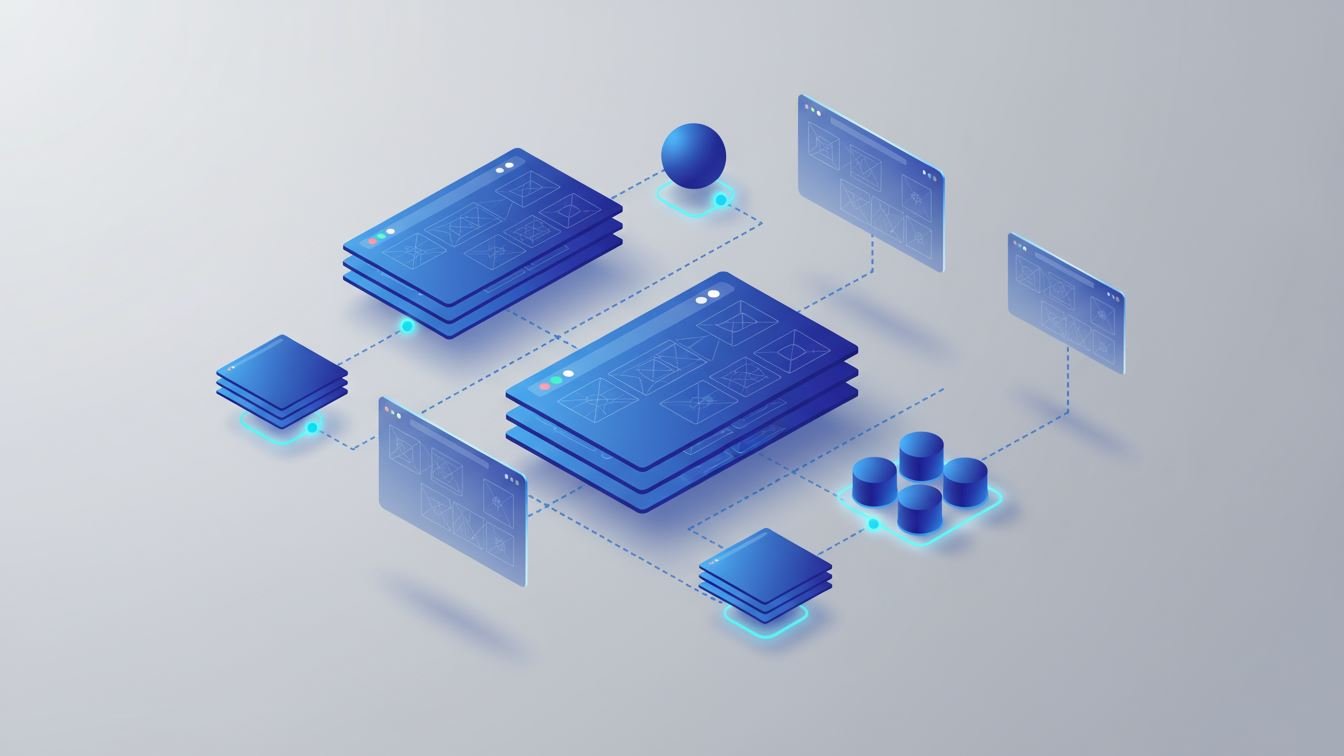
As AI steadily becomes a cornerstone of how we interact with websites—whether through search engines, virtual assistants, or internal site indexing—the way pages are organized earns renewed importance. It’s not just about human users finding what they need, but about machines parsing your site effectively to deliver relevant results.
Think of your site as a sprawling city. To a human visitor, intuitively following street signs or landmarks feels natural. But an AI is like a visitor without prior knowledge, relying strictly on maps and rules. If the streets are chaotic or the signs misleading, it’ll get lost or provide inaccurate guidance.
At the heart of AI’s ability to comprehend your website is your site architecture—the hierarchical structure and internal linking between pages. Well-organized architecture provides a clear, logical flow of information that AI can easily crawl and analyze. Instead of isolated pages with ambiguous connections, a thoughtfully designed site signals relationships, priorities, and context.
Key concepts like topical clusters, siloing, and breadcrumb trails come into play. Each helps AI to not just see pages as standalone bits but as part of a bigger narrative or theme.
AI doesn’t simply scan URLs; it looks at metadata, semantic HTML structure, internal linking, and content relevance. This layered understanding means you need to be deliberate about how pages interlink and what labels they carry.
For example, organizing pages into clear categories with descriptive labels—think: “/blog/ai-understanding” versus “/p1”—tells AI immediately what the content relates to. Internal links from related content reinforce the message, helping AI build a mental map of your site’s topic landscape.
Consider a knowledge base site for a software product. If FAQs, tutorials, and troubleshooting guides are scattered randomly or all nested under one generic folder, AI may struggle to prioritize content or understand which answers best fit user queries.
On the other hand, structuring the site into clear, topic-driven sections—like “Getting Started,” “Advanced Features,” and “Common Issues”—and linking between related articles allows AI to identify authoritative, contextually relevant pages. Users benefit from better search results, and the site gains improved discoverability.
While the focus is AI understanding, good page organization naturally elevates the human user experience. Clear navigation reduces bounce rates and drives engagement. A tidy, logical structure encourages visitors to explore more deeply, increasing trust and conversions.
Moreover, clear site organization supports content maintenance. Teams can add, update, or retire pages without accidentally creating orphaned content or conflicting topics.
Many sites fall into a few traps that hamper AI comprehension:
Being mindful of these can avoid long-term SEO headaches and poor AI indexing.
AI engines are growing smarter, leveraging natural language processing to understand context and user intent better than ever. Your site’s organization should reflect this by embracing semantic clarity—using meaningful headings, descriptive link text, and structured data where appropriate.
Moreover, as voice and conversational search become more prevalent, AI will rely even more heavily on how well your content fits into coherent, navigable topical groups. Preparing your architecture now is an investment in future accessibility and discoverability.
Organizing pages for AI understanding isn’t just an SEO tactic—it’s a thoughtful practice that aligns machine processing with human usability. By creating logical, hierarchical, and well-linked pages, you build pathways that AI can confidently follow.
In doing so, you improve not only rankings but also user satisfaction and content longevity. It might seem like a behind-the-scenes task, but the impact ripples across search results, recommendations, and even emerging AI-powered interfaces.
Remember, a well-organized site speaks a clearer language to both people and machines—a simple truth that’s worth every minute spent planning.