Physical Address
304 North Cardinal St.
Dorchester Center, MA 02124
Physical Address
304 North Cardinal St.
Dorchester Center, MA 02124


There’s no denying it: AI is reshaping how we approach content strategy, especially when it comes to planning. Instead of wrestling with writer’s block or brainstorming sessions that lead nowhere, AI offers a fresh perspective—one that’s faster, smarter, and incredibly adaptable. But before rushing headlong into automation, it’s worth understanding what “planning content with AI” truly means, how it works, and what pitfalls to avoid.
At its core, AI-powered content planning involves leveraging intelligent algorithms to generate ideas, map out themes, and even outline entire content calendars. It’s not just about generating words; it’s about strategic foresight. These tools analyze trends, user behavior, and even competitor content to highlight opportunities you might otherwise miss.
Think of AI as a savvy assistant who’s read thousands of articles, noticed subtle patterns in audience engagement, and can predict what topics will resonate next month or next quarter. It doesn’t replace human creativity but enhances it by providing a data-driven scaffold.
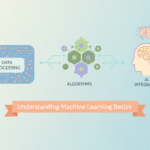
AI content planning tools typically start by ingesting a wide range of inputs: keyword data, search trends, social media chatter, and sometimes even your existing content inventory. They use natural language processing (NLP) to understand context and semantics, going beyond simple keyword stuffing.
Many platforms employ machine learning models trained on vast data sets to identify content gaps and suggest topic clusters. These clusters group related themes, ensuring your content strategy is comprehensive and interconnected—which search engines love.
Speed and efficiency top the list. Instead of spending hours brainstorming or manually sifting through data, AI offers instant insights. It eliminates guesswork by grounding decisions in real-world data.
Another major perk is scalability. Whether you’re a one-person shop or a large team, AI can handle massive datasets and complex strategies without breaking a sweat. It helps maintain consistent quality, which is crucial for SEO and audience retention.
Finally, AI’s ability to spot micro-trends means you can stay ahead in an ever-shifting content landscape. Early adoption of emerging topics often drives better organic reach, long before saturation sets in.
One common misconception is that AI replaces human writers or planners entirely. While AI excels as a tool, it lacks the nuanced judgment, tone adaptation, and creativity that humans bring. Treat it as an assistant, not a replacement.
Another mistake is relying solely on AI-generated suggestions without tailoring them to your brand voice or audience needs. Blindly following AI without human review can lead to cookie-cutter content that fails to connect.
Some also underestimate the importance of quality data. AI’s recommendations are only as good as the data it learns from. Outdated, biased, or incomplete data can skew results and strategies.
Planning content with AI isn’t about abandoning traditional methods; it’s about augmenting them. By combining human insight with AI’s analytical power, you can craft content strategies that are both deeply resonant and efficiently executed. The key lies in keeping AI as a partner rather than a crutch—using it to illuminate possibilities, not dictate every move.
Ultimately, the best content plans stem from a blend of creativity, empathy, and informed decision-making. AI simply helps you navigate this process more confidently, making your strategy more adaptive and future-ready.