Physical Address
304 North Cardinal St.
Dorchester Center, MA 02124
Physical Address
304 North Cardinal St.
Dorchester Center, MA 02124

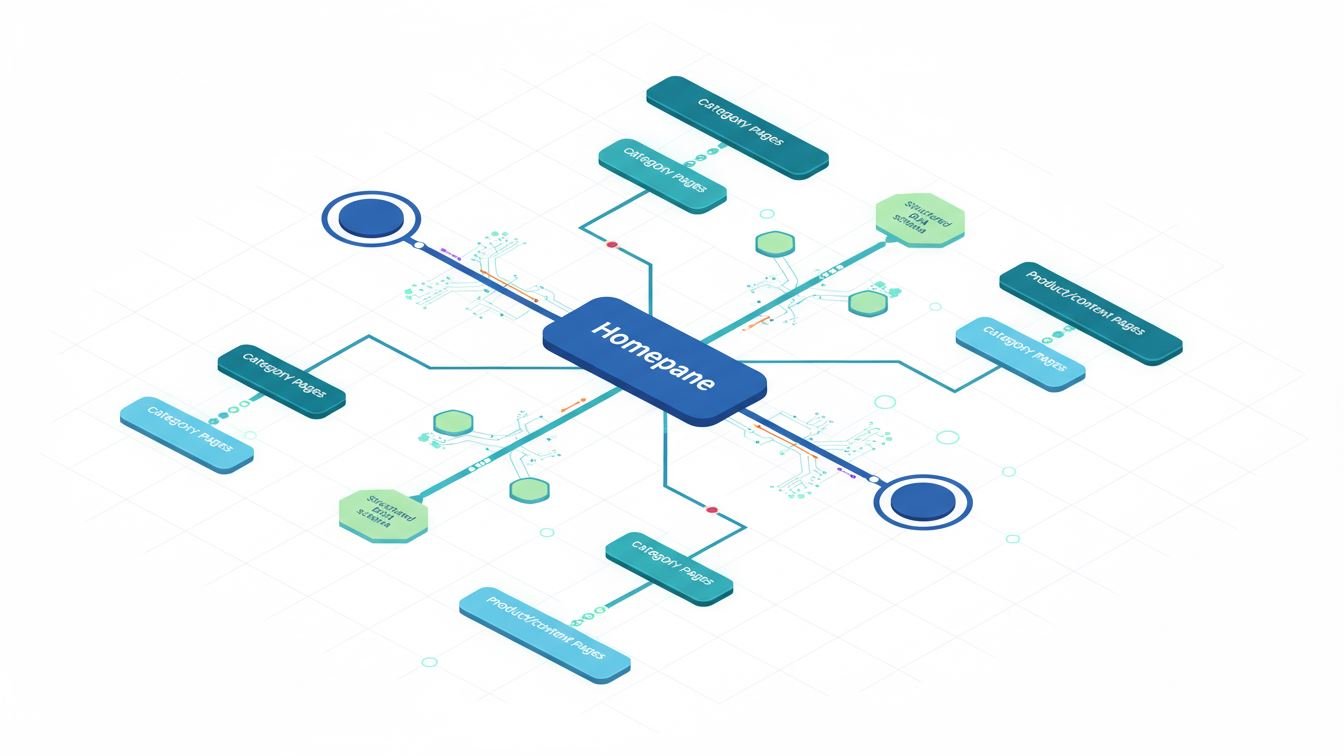
For decades, sitemaps have been a foundational tool for helping search engines navigate and index websites. But as AI-driven crawlers become more sophisticated, relying on advanced natural language processing and pattern recognition, one might wonder: do we still need sitemaps? The short answer is yes. While AI crawlers can understand content in more nuanced ways, a thoughtfully crafted sitemap remains a crucial signal for site architecture and discoverability.
Think of sitemaps as a well-marked roadmap handed to a traveler entering a new city. Even if the traveler has an intuitive sense of direction, providing clear directions can save time and reduce errors. Similarly, AI crawlers benefit from sitemaps that highlight where critical content resides and how pages relate to each other.
At its heart, a sitemap is a structured XML file listing the URLs of a website alongside relevant metadata like last updated dates, priority, and change frequency. This structured data enables crawlers to efficiently plan their visit, prioritize new or updated content, and avoid wasting resources on outdated or irrelevant pages.
For AI crawlers specifically, sitemaps provide a high-level overview that complements their content analysis. Although these bots can decode contextual clues and semantic relationships within pages, sitemaps serve as authoritative outlines of a site’s structure. That clarity helps in establishing relationships between content that might otherwise be missed in sprawling or dynamically generated sites.
When creating sitemaps tailored for AI crawlers, several best practices come into play:
priority tag wisely to signal the relative importance of pages. AI bots can weigh these signals alongside other factors to crawl strategically.By implementing these tips, you ensure that your sitemap doesn’t just exist as a formality but acts as an intelligent guide for AI and traditional crawlers alike.
Consider an e-commerce site with a vast product catalog. Instead of a single massive sitemap, it breaks its sitemap into segments: one for products, one for categories, and one for blog posts. Each segment is updated daily to reflect inventory changes or new content.
This segmentation allows AI crawlers to focus on product pages first if those are deemed higher priority, then move on to blog content, optimizing crawl budget and indexing speed. Moreover, including the lastmod tag for each URL ensures AI bots get fresh data signals.
One common misconception is that AI’s ability to understand context means sitemaps have lost their relevance. While AI crawlers excel at semantic comprehension, they still rely on sitemaps as a roadmap, especially when dealing with large-scale or deeply nested websites.
The underlying architecture of the web remains complex, often involving dynamic elements, client-side rendering, and multi-language support. Sitemaps help simplify this complexity by providing clear, machine-readable signposts. Without them, AI bots might miss less linked pages or misinterpret URL hierarchies.
Despite their importance, many sitemaps fall short due to avoidable mistakes:
Keeping an eye out for these issues ensures that your sitemap remains a helpful asset rather than a liability.
Good sitemap practices can unlock benefits that go beyond just guiding AI crawlers. Well-structured sitemaps support analytics efforts by clarifying site layout. They improve site health monitoring by revealing broken or orphaned pages. For SEO teams, sitemaps offer a snapshot of what’s visible to search engines, aiding in troubleshooting and strategic planning.
Moreover, in complex multilingual or multi-regional websites, sitemaps become indispensable for signaling language targeting and regional versions, allowing AI-driven crawlers to deliver more relevant search results.
Sitemaps are no longer just an SEO checkbox—they’re a dynamic blueprint that helps AI crawlers navigate the intricacies of your site. By treating your sitemap as a living document, updated thoughtfully and structured logically, you enable smarter crawling and faster indexing.
As AI continues to evolve, combining machine intelligence with structured signals like sitemaps will be the winning formula for robust site architecture and sustained search visibility.