Physical Address
304 North Cardinal St.
Dorchester Center, MA 02124
Physical Address
304 North Cardinal St.
Dorchester Center, MA 02124

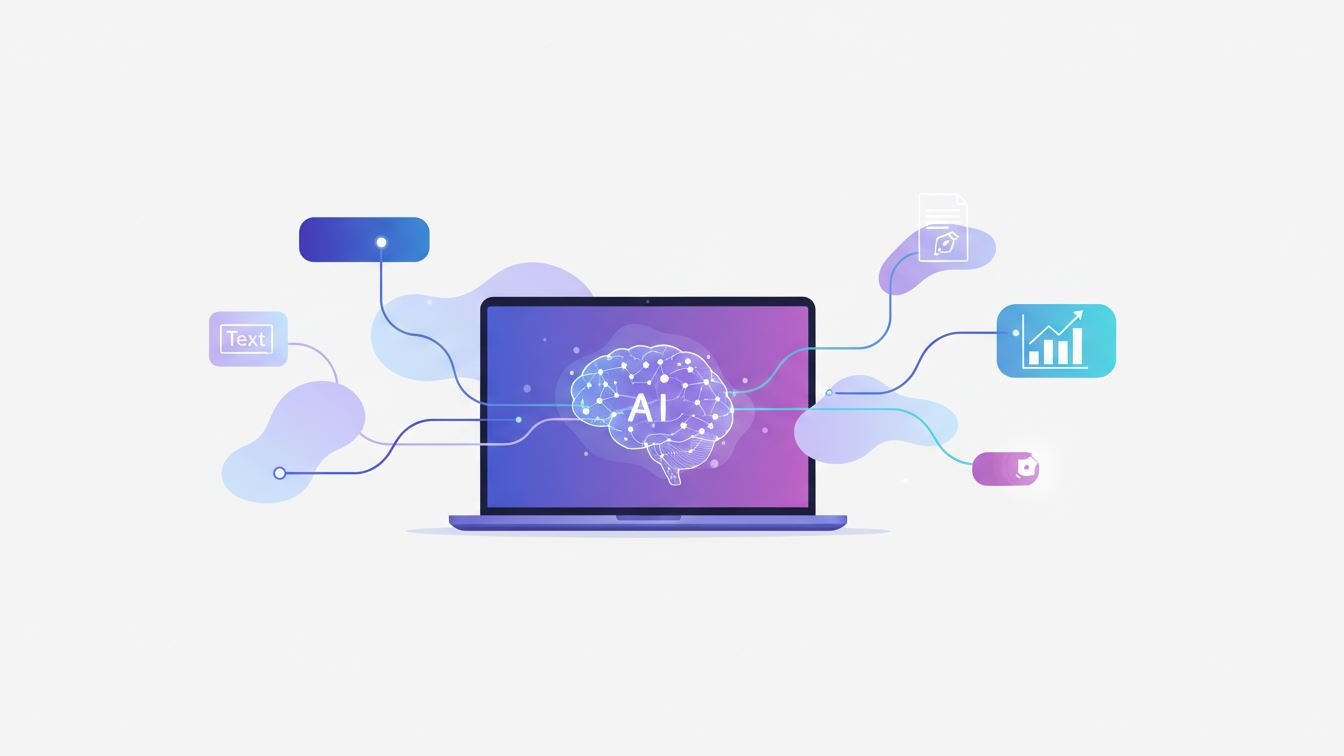
Headlines are the gatekeepers of content—they’re the first thing readers see, and often the deciding factor on whether someone clicks, scrolls, or moves on. In today’s fast-paced digital world, where attention spans are notoriously short, crafting compelling headlines has become both an art and a science. This is where artificial intelligence (AI) steps in to give writers and marketers a powerful edge.
At its core, AI uses vast amounts of data to identify what works and what doesn’t. For headlines, that means analyzing patterns from millions of articles, social media posts, and user engagement metrics to uncover trends that capture attention. Rather than blindly guessing which words will engage readers, AI tools offer suggestions rooted in real behavioral data.
But it’s not just about cranking out catchy phrases. AI understands nuances like emotional triggers, curiosity gaps, and keyword optimization—elements that can significantly boost a headline’s effectiveness.
Imagine a blog post about travel hacks. A traditional approach might result in something like:
AI, however, could propose titles that go beyond the obvious:
These headlines do more than describe the article; they tease curiosity, hint at insider knowledge, and promise value—techniques that AI identifies by analyzing engagement patterns on similar content.
Incorporating AI into the headline-writing process offers several tangible benefits:
While AI can be a game-changer, it’s important to remember it’s a tool—not a substitute for human judgment. A few pitfalls to avoid include:
Combining AI-generated options with editorial insight leads to the best results—letting technology handle the heavy lifting and writers add the nuance.
Many AI tools specifically designed for headline optimization are readily available, ranging from simple headline analyzers to full-fledged writing assistants. Some popular options integrate seamlessly with content management systems or marketing platforms, making experimentation straightforward.
When choosing a tool, consider:
Trial and error will help you discover the right balance between AI suggestions and your own editorial instincts.
The fusion of AI and human creativity is reshaping how we approach content marketing. Headlines, once crafted solely by gut and experience, now benefit from data-powered insights that amplify their impact. But at the end of the day, the best headlines still tell a genuine story and speak directly to the reader’s needs. AI offers a helping hand—guiding, inspiring, and refining—but the human touch ensures the message truly resonates.
Embracing AI as a collaborator rather than a crutch opens up exciting possibilities. With the right blend of technology and intuition, your headlines can rise above the noise and invite readers in, every time.